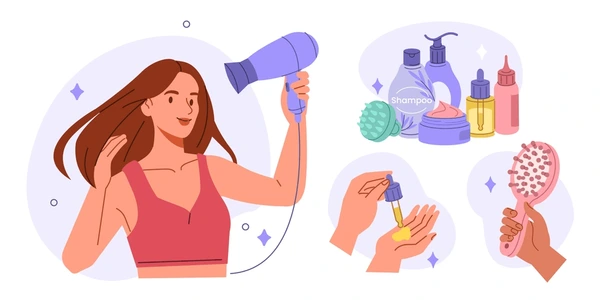
Healthy, lustrous hair is often perceived as an emblem of vitality and personal well-being. Achieving this aesthetic requires more than sporadic attention; it demands a comprehensive and scientifically informed approach. A consistent natural beauty hair care regimen combines targeted nutrition, gentle cleansing, environmental protection, and strategic interventions that reinforce follicular integrity. Strong, shiny hair is not a matter of luck—it is the outcome of deliberate, holistic practices grounded in biology, chemistry, and lifestyle synergy.
Understanding Hair Structure and Growth
Hair is composed predominantly of keratin, a fibrous protein that provides tensile strength and resilience. Each strand comprises three layers: the medulla, cortex, and cuticle. The cortex houses pigments and structural proteins that determine color and strength, while the cuticle forms a protective layer that regulates moisture and reflects light. Damage to the cuticle results in frizz, breakage, and dullness—factors directly addressed in a thorough natural beauty hair care strategy.
Hair growth occurs in cyclical phases: anagen (growth), catagen (transition), and telogen (resting). Optimizing these phases requires attention to both intrinsic factors—genetics, hormonal balance, and micronutrient status—and extrinsic stressors such as heat, pollution, and chemical treatments.
Gentle Cleansing Protocols
Effective natural beauty hair care begins with cleansing that balances sebum regulation without stripping essential lipids. Sulfate-free shampoos and mild botanical surfactants maintain scalp homeostasis while preventing over-drying. Over-cleansing can disrupt the acid mantle, increasing fragility and predisposition to split ends.
Clarifying treatments should be employed sparingly, preferably once every two to three weeks, to remove environmental debris, hard water deposits, and product build-up. Ingredients such as aloe vera, chamomile, and green tea extract can soothe the scalp, providing anti-inflammatory benefits while preserving the natural microbial ecosystem essential for follicular health.
Conditioning and Moisture Retention
Conditioning is paramount in a natural beauty hair care regimen, as it restores the cuticular layer, enhances shine, and reduces friction between strands. Emollients such as shea butter, coconut oil, and argan oil penetrate the hair shaft, reinforcing structural proteins while forming a semi-permeable barrier to prevent moisture loss.
Protein treatments, including hydrolyzed keratin or silk amino acids, temporarily fortify the cortex, enhancing tensile strength and resilience. Alternating between protein and moisturizing treatments based on hair porosity ensures optimal structural balance. Overuse of protein can cause rigidity, whereas insufficient hydration leaves hair brittle—a precise calibration is essential.
Scalp Health: The Foundation of Growth
A well-nourished scalp is the cornerstone of natural beauty hair care. Follicular health is compromised by inflammation, sebum imbalances, or microbial dysbiosis, resulting in thinning or weakened strands. Scalp massages stimulate microcirculation, enhancing nutrient delivery to the follicles and promoting growth.
Incorporating essential oils such as rosemary, peppermint, or tea tree can modulate inflammatory pathways and improve follicular oxygenation. Regular exfoliation using mild scrubs or enzymatic treatments prevents sebum accumulation and flaking, maintaining a clean, breathable environment for robust hair development.
Nutritional Strategies
Internal nourishment is a critical, yet often overlooked, component of natural beauty hair care. Hair requires amino acids (particularly cysteine and methionine), vitamins (A, C, D, and biotin), and minerals (zinc, iron, and selenium) for optimal synthesis of keratin and structural proteins.
Omega-3 fatty acids from fish, flaxseed, or chia support lipid composition in the cuticle, enhancing shine and pliability. Antioxidant-rich foods, including berries, leafy greens, and citrus, mitigate oxidative stress, which can precipitate hair aging and pigmentation loss. Hydration further supports follicular turgor and cuticle integrity, underscoring the importance of daily water intake.
Heat and Environmental Protection
Excessive heat styling and UV exposure are principal contributors to cuticle degradation and discoloration. Implementing protective measures is essential in a natural beauty hair care strategy.
Thermal protectants containing silicones or botanical derivatives provide a barrier between hair and heat, minimizing denaturation of keratin proteins. Sun protection, via UV-filtering sprays or hats, reduces photodamage that leads to fading and brittleness. Environmental pollutants, including smog and particulate matter, generate free radicals that oxidize lipids in the hair shaft—antioxidant-enriched serums can mitigate these effects.
Combing and Detangling Techniques
Mechanical stress is a subtle yet potent factor in hair damage. Proper detangling techniques preserve the integrity of the cuticle and minimize breakage. Wide-toothed combs or finger detangling, preferably on damp hair with conditioner, prevent tensile stress concentrations along fragile points.
Sectioning hair during styling or applying leave-in conditioners enhances lubricity and reduces friction. Even minor adjustments in handling practices are critical in an advanced natural beauty hair care regimen, cumulatively preventing split ends and maintaining smoothness.
Weekly and Periodic Treatments
Strategically timed treatments amplify the effects of daily care. Hair masks, hot oil applications, and herbal infusions provide deep nourishment, restore hydration, and fortify keratin matrices. Ingredients such as avocado, hibiscus, and fenugreek seeds introduce amino acids, vitamins, and minerals directly into the cortex.
Weekly deep conditioning sessions create a reservoir of moisture and nutrients, compensating for cumulative environmental and mechanical stressors. Balancing these treatments with regular trimming eliminates weakened extremities, preventing distal splitting from progressing along the shaft.
Addressing Specific Concerns
Tailoring natural beauty hair care to individual challenges maximizes efficacy. Oily scalp types may benefit from lightweight botanical serums and controlled washing intervals, whereas dry, brittle hair may require heavier emollients and extended hydration protocols.
Color-treated hair demands specialized care to prevent fading and structural compromise. Sulfate-free shampoos, antioxidant-rich treatments, and UV protection are essential to maintain vibrancy while reinforcing the cuticular layer.
Stress Management and Hair Health
Chronic stress exerts a profound effect on hair vitality through hormonal dysregulation, particularly cortisol, which can disrupt follicular cycling. Techniques such as mindfulness meditation, yoga, and adequate sleep promote a physiologic milieu conducive to sustained growth and shine.
The interplay between systemic stress reduction and natural beauty hair care practices is often underestimated. By reducing inflammatory mediators and optimizing nutrient utilization, individuals can significantly enhance the outcomes of topical and nutritional interventions.
Choosing the Right Hair Tools
The implements used in grooming exert measurable effects on hair integrity. Ceramic, tourmaline, or ionic-based tools reduce heat-induced damage while facilitating smooth cuticle alignment. Brushes with natural bristles distribute sebum evenly from root to tip, imparting natural luster and minimizing frictional breakage.
Routine sanitation of combs and brushes prevents microbial accumulation and scalp irritation, further ensuring a hygienic foundation for hair maintenance.
Holistic Approach: Integration of Practices
The most effective natural beauty hair care regimens integrate all aforementioned strategies into a cohesive, personalized protocol. Daily hygiene, nutritional optimization, protective measures, mechanical mindfulness, and periodic treatments collectively enhance structural resilience, shine, and manageability.
This holistic methodology transcends superficial aesthetics. Healthy, strong, and radiant hair is a reflection of systemic balance, follicular integrity, and disciplined self-care.
Psychological and Social Benefits
Hair appearance significantly influences self-perception and social confidence. Maintaining strong, shiny hair through a disciplined natural beauty hair care routine reinforces self-esteem and promotes a sense of agency over personal presentation.
Moreover, visible improvement in hair texture and luster serves as an external validation of commitment to wellness, reinforcing adherence to both cosmetic and lifestyle practices.
A comprehensive natural beauty hair care regimen embodies the intersection of science, artistry, and lifestyle optimization. By addressing cleansing, conditioning, nutrition, environmental protection, stress management, and mechanical handling, individuals can achieve strong, shiny, and resilient hair.
Success in this pursuit requires consistency, personalization, and the judicious integration of natural and technological interventions. When approached with precision and discipline, hair care transcends mere appearance, symbolizing vitality, holistic wellness, and deliberate self-investment. Strong, radiant hair thus becomes both a marker and a manifestation of comprehensive health and conscientious grooming practices.
About the Author